How to Plan a Kitchen Layout

Planning a kitchen layout is one of those things that looks simple until you actually try to do it. You've got a room, you've got a list of things you want in it, and somehow it all needs to work together without driving you mad every time you make a cup of tea.

I'm Steve, owner of SJB Trade Kitchens. I've spent over 20 years helping people get their kitchen layouts right, and the advice I give everyone is the same: think about how you actually use your kitchen before you think about how you want it to look. A kitchen that looks great in a magazine but doesn't work in practice is a waste of money.


The Work Triangle: Still Relevant After All These Years

The work triangle is a simple concept: your sink, hob, and fridge should form a rough triangle shape, with each point no more than a couple of steps from the others. The idea is that these are the three areas you use most when cooking, so keeping them close together makes the kitchen efficient to work in.

It's not a hard rule — kitchens have changed a lot since the idea was first developed — but it's still a useful starting point. If your sink is at one end of the room and your fridge is at the other, you're going to spend a lot of time walking back and forth. Think about the flow of how you cook and work backwards from there.


Common Kitchen Layouts Explained

L-Shape: This is probably the most common layout in the UK. Units run along two adjoining walls, leaving the rest of the room open. It works well in medium-sized kitchens and gives you a good amount of worktop space. If you've got room, you can add a small island or a table in the open space.

U-Shape: Units on three walls. This gives you the most storage and worktop space, but you need a room that's wide enough to make it work. If the room is too narrow, a U-shape can feel cramped. As a rough guide, you want at least 1.2 metres between opposite runs of units.

Galley: Two parallel runs of units facing each other. This is efficient for cooking because everything is within arm's reach, but it can feel tight if more than one person is in the kitchen. It works well in narrow rooms and is a favourite with serious cooks.

Island: Any of the above layouts with a freestanding unit in the middle of the room. Islands are popular because they add worktop space, storage, and a social element. But you need a big enough room — there should be at least 900mm of clear space around the island on all sides, ideally more.

Single Wall: Everything along one wall. This is common in flats and open-plan spaces. It's the most compact layout but obviously gives you the least storage and worktop space.


What to Think About Before You Commit

Where are the services? Moving a sink means moving plumbing. Moving a hob means moving gas or electrics. These things can be done, but they add cost. If you can keep the sink and hob roughly where they are now, you'll save money on the installation.

How much storage do you actually need? People often overestimate how many wall units they need and underestimate how useful drawers are. Deep drawers in base units are far more practical than cupboards with shelves — you can see everything at a glance instead of rummaging at the back.

Where will the bins go? Nobody thinks about bins until it's too late. Plan a space for them — ideally in a pull-out unit near the sink.

Appliance sizes: Know the exact dimensions of your oven, fridge, dishwasher, and washing machine before you start planning. Don't assume they're all standard sizes — they're not.

Lighting: Think about where you'll need task lighting (under wall units, above the hob) and general lighting. This needs to be planned before the kitchen goes in, not after.


How SJB Can Help With Your Layout

Because we build made-to-order kitchens, we're not limited to standard sizes. If your room has an awkward corner, a wonky wall, or a boiler in the way, we can make units to fit. Custom heights, depths, and widths are all part of what we do.

Send us your room measurements and we'll help you work out the best layout for your space. You don't need a designer — just accurate measurements and an idea of what you want. We'll do the rest.

Visit our showroom in Oldham, call us on 0161 509 4221, or email info@sjball.uk. We supply nationwide with delivery from as little as 10 working days.

Back to Kitchen Advice Library


Made to Order


Rigid Built


Nationwide Delivery


No Trade Card Needed


Our Kitchen Styles

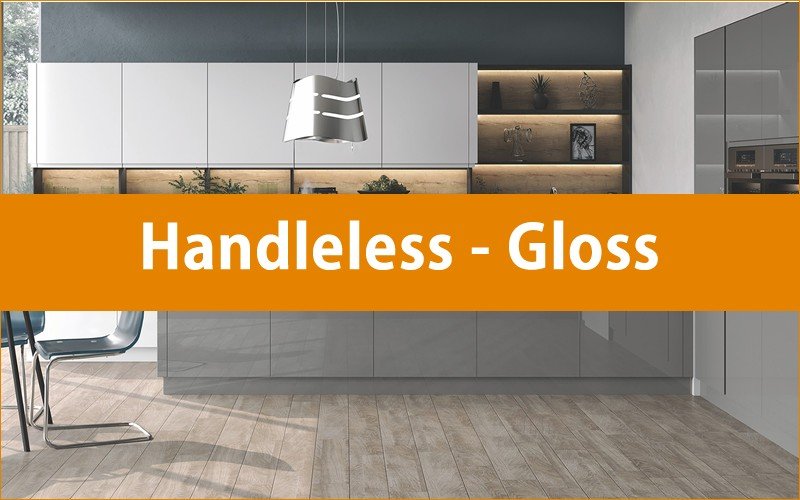
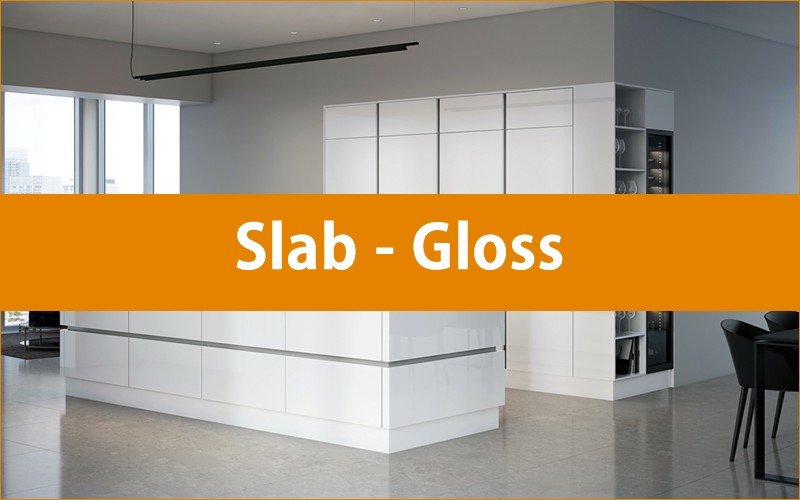
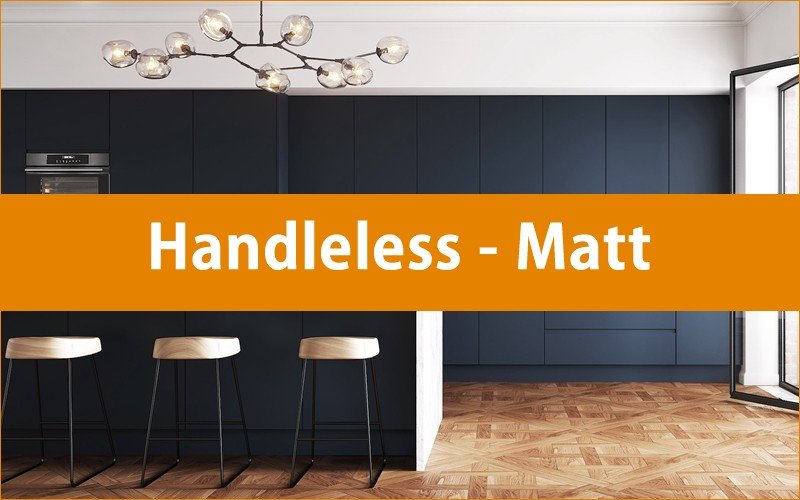
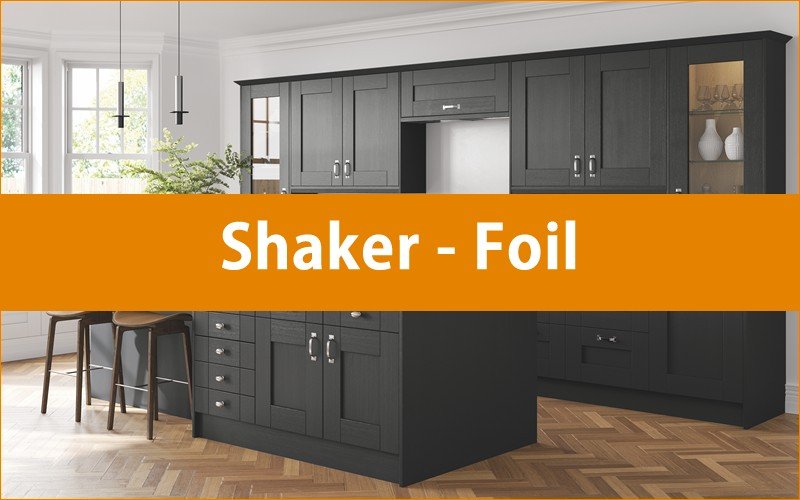
We offer a range of styles to suit any home — from solid wood Painted Shaker doors to sleek Handleless designs. All built on rigid 18mm carcasses with Blum soft-close as standard.

Handleless Matt Kitchens - Trade Kitchens Manchester

Handleless Matt

modern matt slab kitchens - Trade Kitchen Supplier Manchester

Slab Matt

Shaker Kitchens - Trade Kitchen Supplier Manchester

Shaker Foil


Handleless Gloss Kitchens - Trade Kitchens Altrincham

Handleless Gloss

Modern Gloss Kitchens Manchester - SJB Trade Kitchens

Slab Gloss

Painted Shaker Kitchens Altrincham - Trade Kitchen Supplier

Painted Shaker (Solid Wood)


What Our Customers Say

Get a Quote Today

Step 1 of 7


Made to Order & Delivered in 10 Working Days

Rigid Built Cabinets with Blum Soft Close as Standard

Nationwide Delivery Available


info@sjball.uk

0161 509 4221