
Finding a good kitchen fitter is arguably just as important as choosing the kitchen itself. A great kitchen in the hands of a bad fitter can quickly turn into a nightmare. I’ve been in the kitchen industry for over 20 years, starting in retail, moving into manufacturing, and now running SJB Trade Kitchens, where we supply kitchens directly to the public and trade. In that time, I’ve seen it all – the good, the bad, and the downright cowboys. We don’t employ or offer a fitting service ourselves; we focus on what we do best, which is manufacturing and supplying high-quality, rigid-built kitchen cabinets. But I want to make sure our customers have the best possible experience, and that includes helping you find a tradesperson you can trust to bring your new kitchen to life. This is my straight-talking guide on how to find a kitchen fitter you can rely on.
How to Find a Good Kitchen Fitter
Made to Order
Custom sizes available
Rigid Built
18mm throughout
Blum Soft Close
As standard
Nationwide Delivery
From 10 working days
Where to Start Your Search for a Fitter
The search for a good fitter can feel a bit daunting, but there are several places you can look. The best place to start is with word-of-mouth recommendations. Ask friends, family, or neighbours who have recently had a kitchen installed. If they had a good experience, they’ll be more than happy to pass on the details. This is often the most reliable way to find someone trustworthy, as you’re getting a firsthand account from someone you know.
Local social media groups can also be a goldmine. Post in a community Facebook group for your town or area asking for recommendations. You’ll likely get a flood of responses, both from homeowners and from fitters themselves. While this is a great way to gather names, remember to do your own due diligence. A recommendation from a stranger online isn’t the same as one from your best mate.
Online directories like Checkatrade, TrustATrader, or the Federation of Master Builders can be useful starting points, but don’t take their ratings as gospel. These platforms are essentially advertising services that tradespeople pay to be on. While they have vetting processes, it’s not foolproof. Use them to create a shortlist, but then apply the checks and questions I’ll outline below to each candidate. Finally, some manufacturers have lists of ‘approved’ installers. This can be a good option, but be aware that these fitters may have a commercial relationship with the manufacturer, which could influence their advice or the products they recommend.
The Hallmarks of a Professional Kitchen Fitter
Once you have a shortlist, how do you separate the professionals from the amateurs? There are several key things to look for that are usually good indicators of a quality tradesperson. First and foremost is experience and specialisation. You want a kitchen specialist, not a general builder who dabbles in kitchens. Fitting kitchens involves a specific set of skills – it’s a combination of joinery, plumbing, and sometimes electrics and tiling. A dedicated kitchen fitter will have honed these skills over many years and will be far more efficient and produce a better finish.
Next, and this is non-negotiable, is Public Liability Insurance. Ask for a copy of their insurance certificate. This protects you and your property in the event of an accident. If a fitter doesn’t have insurance, do not let them into your home. A professional will also have a portfolio of their work. They should be proud to show you photos and videos of kitchens they have completed. Even better, they should be willing to provide you with references from a few recent customers. Don’t be afraid to actually contact these references and ask them about their experience.
A final hallmark of a pro is a clear, detailed, written quotation. A quote scribbled on the back of a cigarette packet is a major red flag. A professional quote will be broken down, itemising the cost of labour, any materials they are supplying, and any additional trades like plastering or tiling. It should be clear about what is and isn’t included. This transparency protects both you and the fitter and ensures there are no nasty surprises down the line.

Key Questions to Ask a Potential Fitter
Before you agree to anything, you need to have a proper conversation with the fitters on your shortlist. Think of it as an interview. You’re about to entrust them with one of the most important and expensive rooms in your house. Here are the essential questions you should be asking:
- How long have you been fitting kitchens? (You're looking for years of experience here.)
- Can I see examples of your work and speak to your last two or three clients? (A good fitter will be happy to provide this.)
- Are you fully insured? Can I see your certificate? (As mentioned, this is a must.)
- Will you be doing the work yourself, or will you be using subcontractors? (It’s important to know who will actually be in your home.)
- What is your payment schedule? (A small deposit is reasonable, but do not pay the full amount upfront. A typical schedule might be a deposit, an interim payment, and a final payment upon satisfactory completion.)
- Is the quote fully inclusive? (Clarify if it includes plumbing, electrical work, tiling, plastering, and waste removal. Get this in writing.)
- What is your availability and how long will the installation take? (This helps you plan and manage expectations.)
- Do you provide a guarantee for your workmanship? (A professional should stand by their work, typically for at least 12 months.)
Their answers to these questions will tell you a lot about their professionalism and whether they are the right fit for your project.
Red Flags: When to Walk Away
Just as there are good signs, there are also some major red flags that should have you running for the hills. The biggest one is a fitter who insists on being paid in cash or offers a discount for cash. This is a massive warning sign. It suggests they may not be a legitimate, tax-paying business, and it means you’ll have no paper trail and no legal recourse if things go wrong. Always pay via bank transfer or a method that provides a record of payment.
Be wary of anyone who is extremely vague or unwilling to provide a detailed quote or contract. A proper contract protects both parties and outlines the scope of work, costs, and timeline. If they’re hesitant to put things in writing, it’s often because they don’t want to be held to account.
Another red flag is high-pressure sales tactics. A good, experienced kitchen fitter is usually very busy. They don’t need to pressure you into making a quick decision. If someone is pushing you to sign on the dotted line immediately, ask yourself why. It’s often a sign of desperation.
Finally, be cautious of a fitter who has no online presence or reviews, or who is reluctant to provide references. In today’s world, most reputable businesses have some sort of digital footprint. While a lack of online presence isn’t a deal-breaker on its own (some excellent older tradesmen aren’t tech-savvy), combined with a reluctance to provide references, it’s a definite cause for concern.

How to Properly Check Their Work
If you get the chance to speak to a reference, or even better, see a kitchen they have fitted, you need to know what to look for. Don’t just stand at the door and say “that looks nice.” Get up close and inspect the details. This is where the quality of the workmanship really shows.
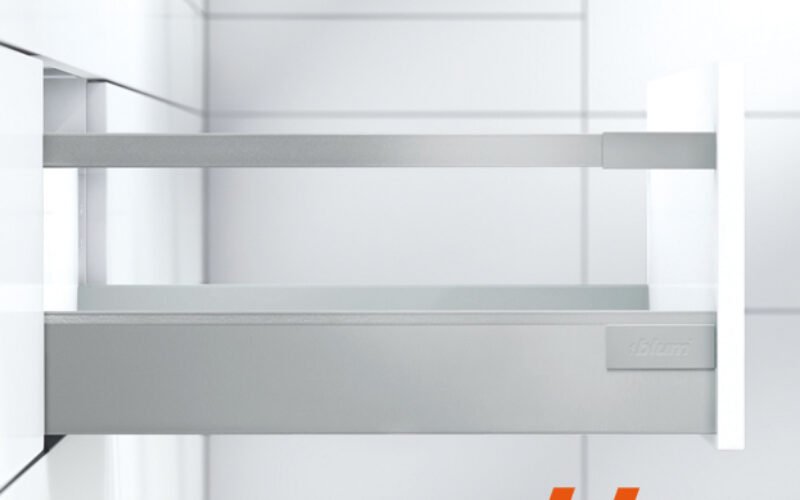
Look at the alignment of the doors and drawers. Are the gaps between them even and consistent all the way around? Open and close them – our cabinets come with Blum soft-close mechanisms as standard, so they should close smoothly and silently. Check the finish on the plinths and panels. Are the cuts clean and sharp? Are the joints neat? Pay close attention to the worktop joints, especially on laminate worktops. A good fitter will create a near-invisible mason's mitre joint. Poorly cut joints are a classic sign of an amateur.
Examine the silicone sealant around the worktops and sink. It should be a clean, smooth, and consistent bead. Messy, lumpy silicone work is a sign of carelessness. Also, ask the homeowner about their experience. Were the fitters tidy? Did they clean up after themselves each day? Did they stick to the agreed schedule and budget? Were they polite and professional to have in the house? The answers to these questions are just as important as the quality of the finished work.
Why We Supply, Not Fit
I want to be crystal clear: SJB Trade Kitchens is a supply-only business. We do not employ fitters, and we do not offer an installation service. We’ve made a conscious decision to focus on what we excel at: manufacturing and supplying top-quality, rigid-built kitchen cabinets at a price that’s 30-50% cheaper than the big sheds like Howdens. Our carcasses are made from 18mm Egger board with 18mm solid backs, and they arrive fully assembled with the doors and drawers fitted. We use premium hardware from Blum, Hafele, and Kessebohmer.
By separating the supply from the installation, we believe you get the best of both worlds. You get a superior quality kitchen, made to order right here in our Oldham small showroom, and you have the freedom to choose a local fitter who is right for you, your budget, and your project. It avoids any conflict of interest and gives you complete control. We’re here to provide the best quality kitchen units for your chosen fitter to install, ensuring you get the kitchen of your dreams without the showroom price tag.
What Our Customers Say
REQUEST A FREE DESIGN & QUOTE
Made to Order & Delivered in 10 Working Days
Rigid Built Cabinets with Blum Soft Close as Standard
Nationwide Delivery Available
info@sjball.uk
0161 509 4221
